
Major Ethiopia attractions: explore the ancient and wild
Struggling to figure out which major tourist attraction sites in Ethiopia are actually worth the hype for your upcoming trip? We have done the heavy lifting to bring you a no-nonsense guide to the country’s most jaw-dropping historical sites and surreal natural wonders. Get ready to uncover hidden gems and famous landmarks that promise an adventure unlike anything else you have ever experienced. 🇪🇹
Major Tourist Attraction Sites in Ethiopia Article Takeaways
Here is a summary of the major tourists attraction sites in Ethiopia:
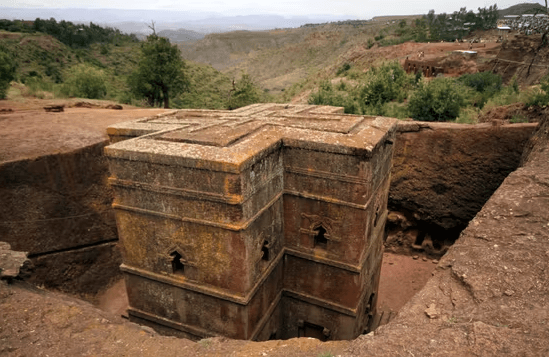
Lalibela – Home to 11 rock-hewn medieval churches carved directly into volcanic stone, Lalibela is Ethiopia’s most iconic spiritual and architectural landmark and a living place of worship.
Bete Giyorgis (Church of Saint George) – The famous cross-shaped monolithic church in Lalibela stands as a masterpiece of ancient engineering and the most photographed religious site in the country.
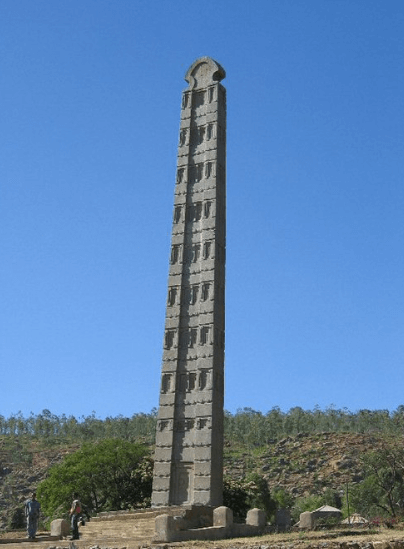
Axum – Cradle of Ethiopian civilization, Axum combines monumental stelae, royal tombs, and the enduring legend of the Ark of the Covenant, believed to be housed nearby.
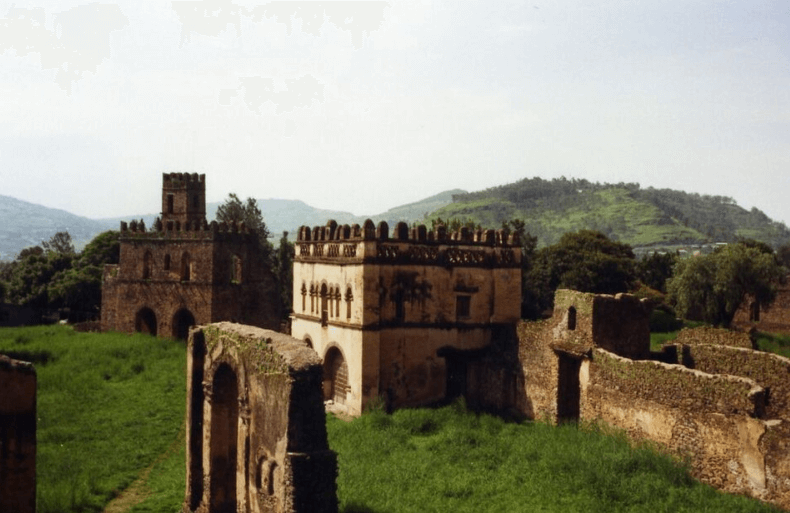
Gondar (Fasil Ghebbi) – Known as the “Camelot of Africa,” Gondar features a UNESCO-listed fortress of castles blending Nubian, Arab, and European architectural influences.
Fasilides’ Bath – This historic ceremonial pool near Gondar comes alive during Timkat celebrations and illustrates Ethiopia’s enduring religious traditions.
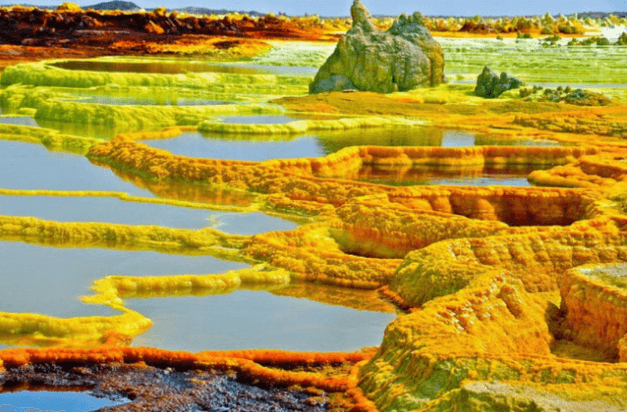
Danakil Depression – One of the hottest places on Earth, this extreme landscape features sulfur springs, salt flats, and the Erta Ale volcano with its permanent lava lake.
Dallol – Located within the Danakil Depression, Dallol’s neon-colored acidic springs and mineral formations create one of the most surreal natural environments on the planet.
Erta Ale Volcano – Famous for its continuously active lava lake, Erta Ale offers a rare opportunity to witness raw geological forces up close.
Simien Mountains National Park – A UNESCO World Heritage site, this high-altitude park delivers dramatic escarpments, epic trekking routes, and endemic wildlife.
Gelada Baboon Habitat – The Simien Mountains are the only place in the world where visitors can observe large populations of Gelada baboons in their natural environment.
Bale Mountains National Park – A biodiversity hotspot featuring forests and afro-alpine plateaus, Bale is the best location to spot the rare Ethiopian wolf.
Omo Valley – One of Africa’s most culturally diverse regions, the Omo Valley offers immersive encounters with indigenous tribes maintaining ancestral traditions.
Harar Jugol – This fortified historic city, considered the fourth holiest city in Islam, is known for its maze-like alleys, mosques, and unique urban culture.
Hyena Feeding in Harar – A nightly ritual where locals feed wild hyenas by hand, offering one of Ethiopia’s most unusual and memorable cultural experiences.
Lake Tana – Ethiopia’s largest lake and the source of the Blue Nile, Lake Tana is dotted with ancient island monasteries decorated with vibrant religious murals.
Ura Kidane Mihret Monastery – One of Lake Tana’s most notable monasteries, renowned for its richly painted interior and historical religious significance.
Blue Nile Falls (Tis Isat) – Near Bahir Dar, these powerful waterfalls showcase the dramatic force of the Blue Nile, especially impressive during the rainy season.
Rift Valley Lakes (Awasa, Langano, Abijatta-Shalla) – This chain of lakes forms a major bird migration corridor and offers relaxed nature-focused experiences with abundant wildlife.
Table of Content
- The Historical Heartland: Ethiopia’s Ancient Wonders
- Mind-blowing landscapes: from otherworldly plains to heavenly peaks
- A Quick Guide to Ethiopia’s Top Spots
- The Cultural Deep-Dive: Meeting Ethiopia’s People
- The Great Rift Valley: Lakes, Birds, and Life
- So, how do you string these places together?
The Historical Heartland: Ethiopia’s Ancient Wonders
Ethiopia isn’t just another stamp in your passport; it’s a legitimate time machine. The northern circuit proves it. You aren’t just looking at rocks; you’re looking at a civilization that goes back millennia. The country boasts a diverse range of tourist attractions recognized by UNESCO. If you want to understand the real major ethiopia attractions, you have to start right here.
Lalibela: The Rock-Hewn Churches That Defy Belief
If you skip Lalibela, you haven’t really seen Ethiopia. King Lalibela wanted a « New Jerusalem, » so he commissioned 11 medieval monolithic churches. Here’s the kicker: they weren’t built up; they were excavated down into the volcanic rock. It’s mind-blowing engineering.
But don’t expect a dead museum or cold ruins. These places are alive. You’ll see white-robed pilgrims and priests everywhere you look. The smell of incense hangs heavy in the air. It’s a serious spiritual vibe.
You have to check out Bete Giyorgis (Saint-Georges). It’s that iconic cross-shaped church you see in photos. Honestly, it is a total masterpiece of engineering.
Axum: Where Legends of the Ark of the Covenant Live On
Axum is where it all started. This was the cradle of Ethiopian civilization and the heart of a powerful ancient empire. The whole place feels heavy with myths and history. You can practically feel the weight of the past.
Here is the big secret that draws people in. Locals believe the original Ark of the Covenant is right here. It’s supposedly kept in the Chapel of the Tablet, near St. Mary of Zion. But no, you can’t see it.
You can still explore the giant stelae and royal tombs. They are massive reminders of how huge Axum once was.
Gondar: The « Camelot of Africa »
Gondar is a total curveball. They call it the « Camelot of Africa » for a reason. You are looking at actual European-style castles right in the middle of the continent. It doesn’t feel like anywhere else in Ethiopia.
The main event is Fasil Ghebbi. It’s a UNESCO walled fortress full of old palaces. The architecture is a wild mix of Nubian, Arab, and Baroque styles. It’s a unique cultural mashup that actually works.
Don’t miss Fasilides’ Bath nearby either. It fills up with water for the huge Timkat celebrations every January.
Mind-blowing landscapes: from otherworldly plains to heavenly peaks
Alright, let’s switch gears. You might think you’ve seen it all, but most travelers underestimate just how wild this country gets. Beyond the history, the major ethiopia attractions include terrain that looks straight-up alien.
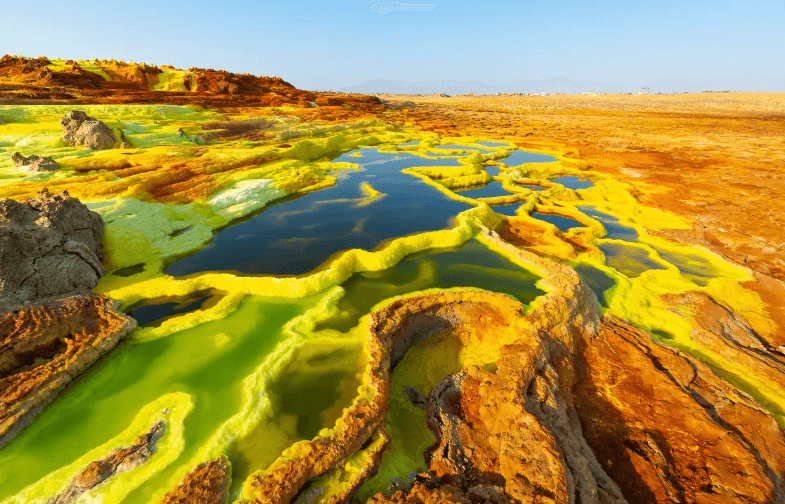
The Danakil Depression: a trip to another planet 👽
You think you know heat? Think again. The Danakil Depression is one of the hottest and most inhospitable places on the planet. It’s a surreal volcanic wasteland painted in violent shades of neon sulfur and blinding white salt—a total assault on your senses.
The highlights are insane. You’ve got the bubbling acid springs of Dallol with their weird formations, and the Erta Ale volcano boasting a permanent, churning lava lake.
Look, this isn’t for the faint-hearted. It’s brutal out there. But for the brave? It’s an adventure that sticks with you forever. Want information about another breathtaking place? You should have a look at Niagara Falls and find out what are Niagara Falls Conservation Measures.
Simien Mountains National Park: hiking on the roof of Africa
If you prefer cool air to lava, the Simien Mountains National Park is a hiker’s nirvana. We’re talking jagged peaks, deep valleys, and panoramic views that, frankly, photos don’t do justice.
It’s a UNESCO World Heritage site, not just for the drama of the cliffs, but for the incredible life clinging to them.
You’ll spot critters here that you can’t see anywhere else:
- The Gelada baboon (the famous « bleeding heart » monkey).
- The Walia ibex (a wild mountain goat found nowhere else).
- If you’re lucky, the very rare Ethiopian wolf.
Bale Mountains National Park: a world of its own
Want the views without the crowds? Bale Mountains National Park is the move. It’s a quieter, wilder alternative to the Simien circuit and an absolute hotspot for biodiversity.
The variety is nuts. You go from dense forests straight up to the afro-alpine moorlands of the Sanetti Plateau. This is hands down the best spot to see the Ethiopian wolf.
Ideally, this is the playground for hardcore nature lovers and wildlife watchers. The vibe here is just different. Still greedy with hiking? After Ethiopia, why not to consider a Trek in Nepal in a sustainable way ?
A Quick Guide to Ethiopia’s Top Spots
You are probably wondering where to even start with a country this diverse. It is a common problem for travelers. You definitely do not want to fly all the way here just to realize you missed the one spot that perfectly matches your vibe. To keep you from wasting time on logistics, I have compiled the definitive list of major ethiopia attractions. Think of this as your cheat sheet to Ethiopia’s main attractions, stripped of the usual marketing fluff.
| Attraction | Type | Best for… | UNESCO World Heritage? |
|---|---|---|---|
| Lalibela | Historical/Religious | History Buffs & Spiritual Seekers | Yes |
| Axum | Historical | Legend Lovers | Yes |
| Gondar | Historical | Castle Explorers | Yes |
| Simien Mountains | Natural/Hiking | Trekkers & Wildlife Lovers | Yes |
| Danakil Depression | Natural/Adventure | Extreme Adventurers | No |
| Omo Valley | Cultural | Cultural Enthusiasts | Yes |
| Harar | Cultural/Historical | Urban Explorers | Yes |
Now that you have a solid overview of the « what » and « where, » we need to tackle the « who. » Because honestly, a pile of rocks, no matter how historic, is just scenery without the stories behind them. So, now that you have a view of the landscape, let’s look at the human and cultural aspect that makes this country so unique.
The Cultural Deep-Dive: Meeting Ethiopia’s People
Beyond the stones and landscapes, the real treasure of Ethiopia is its people. Get ready for a cultural immersion that marks you for life.
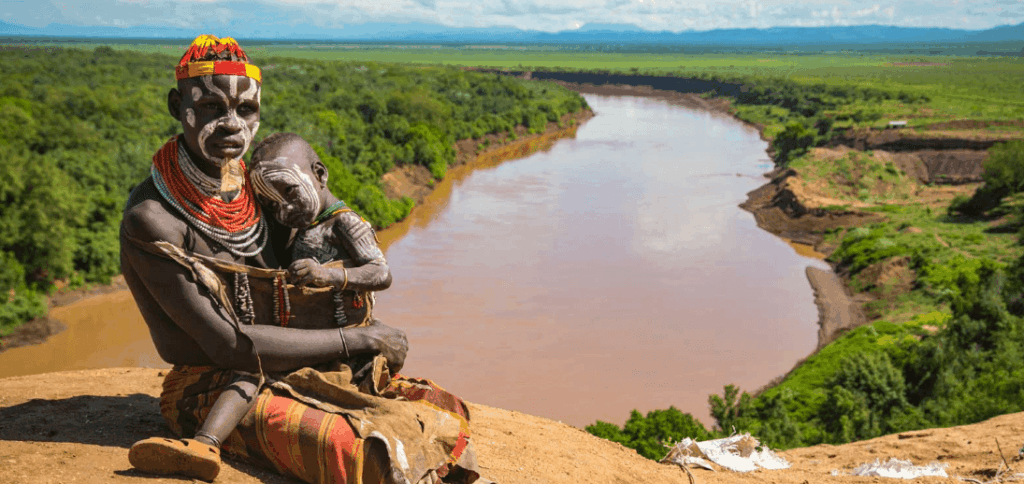
The Omo Valley: A Living Cultural Museum
The Omo Valley is one of the major ethiopia attractions and one of the most ethnically diverse places in Africa. It is a trip into a world where ancestral traditions are still well and truly alive.
I have to say, the experience is intense and sometimes a bit disconcerting. But mate, it is absolutely authentic and unlike anything you have seen.
You will encounter iconic tribes that define the region’s spirit. Here is a snapshot of the groups you simply can’t miss during your visit:
- The Hamer and their intense bull jumping ceremonies.
- The Mursi, famous for their distinctive lip plates.
- The Karo, true masters of body painting.
If you like immersive experience when you travel, have a look at our article about community based tourism in Thailand.
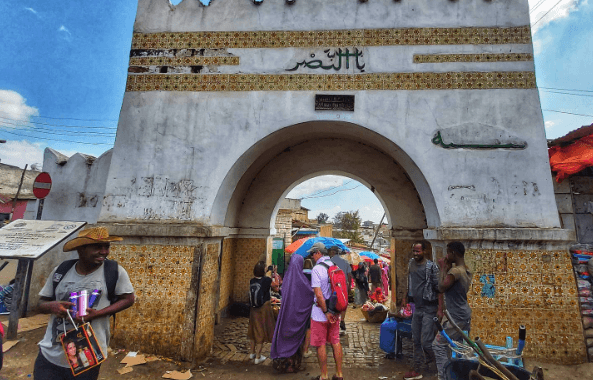
Harar Jugol: The Fortified Historic Town
Harar is recognized as the fourth holiest city in Islam. You are going to love the narrow alleys, the colorful walls, and the totally unique vibe that hangs in the air.
The fortified old town, « Jugol », is a UNESCO World Heritage site. It is home to 82 mosques and heaps of traditional houses. It is the kind of place where it actually feels good to just get lost.
You have to check out the nightly tradition of hyena feeding. It is a strange, wild, and totally unforgettable experience.
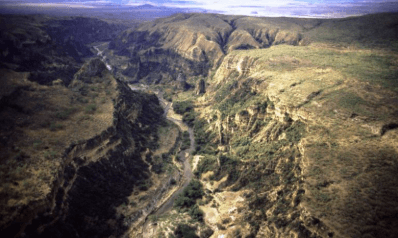
The Great Rift Valley: Lakes, Birds, and Life
So, you’ve seen the heavy history up north, but missing the Rift Valley would be a mistake. Here is where the earth opens up to reveal a totally different, softer side of the country.
Bahir Dar and Lake Tana: The Source of the Blue Nile
Bahir Dar is a chill city right on the edge of Lake Tana, the largest lake in Ethiopia. It serves as the perfect launching pad for checking out some of the major ethiopia attractions in the region.
The real secret here lies in the ancient island monasteries scattered across the water. You grab a boat to reach hidden spots like Ura Kidane Mihret. Inside, the walls are popping with colorful murals that tell old stories. It’s a vibe you won’t find anywhere else.
Don’t skip the Blue Nile Falls (Tis Isat) nearby. The water thunders down impressively, especially if you visit during the rainy season.
The Rift Valley Lakes: A Birdwatcher’s Paradise 🦜
Further south, the valley floor is dotted with a chain of lakes, and each one has a unique feel. This region is incredibly fertile and buzzing with life. It is a stark contrast to the dry highlands.
Bird lovers, listen up. Spots like Lake Awasa, Lake Langano, and Abijatta-Shalla are critical pit stops for migration. You will see thousands of birds, from flamingos to pelicans, just doing their thing.
This is the spot for a laid-back trip focused on nature. You get up close with wildlife without the stress.
So, how do you string these places together?
You have the list of major ethiopia attractions, but connecting the dots is where it gets tricky. Most travelers struggle to visualize the logistics without a clear map in their head. To help you avoid a planning nightmare, let’s look at the proven routes that cover Ethiopia’s nine UNESCO World Heritage sites.
The classic northern historic circuit
This is the go-to route for 90% of first-timers, and honestly, it’s the historic and religious heart of the country. If you skip this loop, you are basically missing the absolute soul of Ethiopia.
Don’t try to be a hero on the roads here. Most people fly between cities to save days of travel; it is definitely worth the splurge to maximize your time on the ground.
Here is the standard flow that ensures you hit the heavyweights without backtracking:
- Bahir Dar (start with Lake Tana).
- Gondar (explore the royal castles).
- Axum (ancient stelae and the Ark).
- Lalibela (those mind-blowing rock-hewn churches).
The southern adventure: culture and nature combined
If you want something more « roots » and raw, head south. This isn’t about monuments; it is about intense cultural encounters and wild nature that feels completely different from the northern highlands.
Forget flying; this is strictly 4×4 territory. The typical run starts in Addis-Abeba, drops down through the Rift Valley lakes, and plunges deep into the Omo Valley to meet tribes like the Mursi and Hamer.
For the wildlife geeks, you can easily tack on the Bale Mountains to spot the rare Ethiopian wolf.
Ethiopia isn’t just a destination; it’s a journey through time and culture that you won’t find anywhere else. From the peaks of Simien to the heat of the Danakil, every corner holds a surprise. So, are you ready to explore the Land of Origins? Your adventure starts now! 🇪🇹✈️
Q / A About Major Tourist Attraction Sites in Ethiopia
What is Ethiopia actually famous for?
Ethiopia is best known for its incredible history that goes back thousands of years. It is the only African country that wasn’t colonized, so its ancient culture is super well-preserved. You’ve probably heard of the rock-hewn churches of Lalibela, which are often called the « Eighth Wonder of the World. » 🏛️
Besides history, it’s famous for mind-blowing nature. From the scorching heat of the Danakil Depression to the cool peaks of the Simien Mountains, the scenery is diverse. And let’s not forget, it’s the birthplace of coffee! ☕
If I had to pick just one famous landmark, which one is it?
Hands down, the most iconic spot is the Church of Saint George (Bete Giyorgis) in Lalibela. It’s that famous cross-shaped church you see in all the travel photos. What makes it crazy is that it wasn’t built up from the ground; it was carved down into the volcanic rock.
It is a masterpiece of engineering and is still an active place of worship today. Seeing the pilgrims wrapped in white robes chanting there is an experience that will stick with you forever. 😲
Can you list the main tourist spots I shouldn’t miss?
Sure thing! If you want the « greatest hits, » start with the Historic Route in the north. This includes Lalibela, the ancient obelisks of Axum, and the castles of Gondar (yes, real castles in Africa!).
For nature lovers, the Simien Mountains are a must for hiking and spotting unique wildlife like the Gelada baboon. If you are up for a wild adventure, head to the Danakil Depression to see lava lakes and colorful salt flats. 🌋
Is the Ark of the Covenant really hidden in Ethiopia?
Legend says yes! According to Ethiopian tradition, the original Ark of the Covenant is kept safe in a small chapel in Axum, right next to the Church of Our Lady Mary of Zion. It’s the holiest place in the country for Orthodox Christians.
Here’s the catch though: nobody is allowed to see it, except for one guardian monk who watches over it for his entire life. He never leaves the chapel grounds. It adds a huge layer of mystery to the place! 🤫
Why should I choose Ethiopia for my next trip?
Because it’s unlike anywhere else in Africa. You aren’t just going for a typical safari; you’re going for a time-travel adventure. You get ancient civilizations, biblical history, and landscapes that look like they belong on Mars. 🚀
Plus, the cultural immersion is intense. Whether you are meeting the diverse tribes in the Omo Valley or sharing a traditional coffee ceremony with locals, the people make the trip special. It’s authentic, raw, and totally unique.
Where can I find the most beautiful landscapes?
If you love dramatic mountain views, head straight to the Simien Mountains National Park. It’s often called the « Roof of Africa » for a reason. You get jagged peaks and deep valleys that are just breathtaking. ⛰️
For something totally different, the Bale Mountains offer lush forests and afro-alpine plateaus where you might spot the rare Ethiopian wolf. And for alien-like beauty, nothing beats the neon colors of the sulfur springs in the Danakil Depression.